
Cooking Resources
How to build an original recipe
1. Choose Your Recipe Type
Decide whether you want to make an appetizer, main, or dessert. This will guide your portion sizes, ingredients, and cooking method.
2. Pick a Star Ingredient
- Choose one main ingredient to build your recipe around (e.g., chicken, lentils, salmon, or apples).
- Make it the hero of the dish, then plan supporting ingredients that complement it.
- Choose one main ingredient to build your recipe around (e.g., chicken, lentils, salmon, or apples).
3. Build a Balanced Recipe
Include a mix of:
- Protein: Meat, poultry, fish, tofu, legumes, or eggs
- Carbohydrates: Whole grains, starchy vegetables, or fibre-rich options
- Vegetables & Fruits: Add colour, texture, and nutrients
- Healthy Fats: Olive oil, avocado, nuts, seeds
4. Add Flavour
- Use herbs, spices, citrus, vinegar, or low-sodium sauces to create layers of flavour.
- Experiment with textures—crunchy, creamy, or chewy elements can make your dish exciting.
5. Decide on Cooking Methods
- Consider baking, roasting, grilling, stir-frying, steaming, or sautéing.
- Think about which method brings out the best flavour and texture for your main ingredient.
6. Portion and Nutrition
- Keep serving sizes in mind for a balanced dish.
- Consider fibre, protein, and healthy fats to make the dish satisfying.
- Limit added sugars, salt, and overly processed ingredients.
7. Test and Tweak
- Cook a trial version if possible. Taste and adjust seasoning, texture, or presentation.
- Make sure all ingredients work well together.
- Cook a trial version if possible. Taste and adjust seasoning, texture, or presentation.
8. Presentation
- Plate your dish neatly—think about colour, arrangement, and garnish.
- Remember: we eat with our eyes first!
9. Write Your Original Recipe
Include:
- Recipe name
- Ingredients list (with exact amounts)
- Step-by-step instructions
- Cooking time, temperature, and servings
- Optional tips for substitutions or plating
- Recipe name
10. Originality
- Submissions should be original recipes.
- If your recipe is adapted or inspired by another source, provide the source/website/book along with your submission.
Core Nutrition Principles
- Balanced Meals: Include protein, fibre, healthy fats, and low-glycemic carbohydrates.
- Portion Awareness: Follow guidance on serving sizes and carbohydrate counting.
- Whole Foods Focus: Emphasize vegetables, fruits, whole grains, lean proteins, legumes, nuts, and seeds.
- Limit Added Sugars and Sodium: Reduce sugar, salt, and overly processed ingredients.
- Healthy Fats: Use unsaturated fats, and limit saturated fats.
Cooking resources & guidelines.
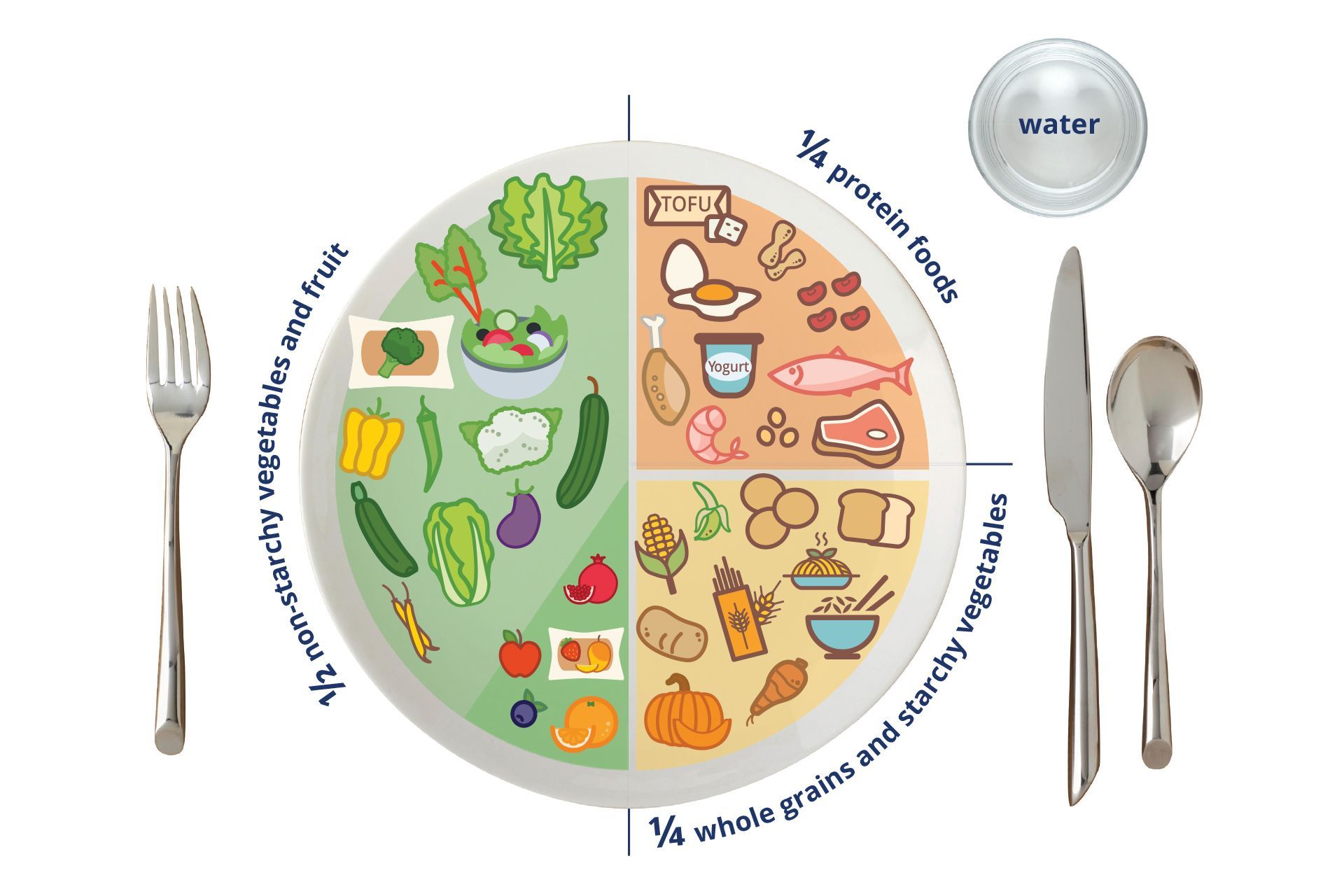
Ingredient Guidance
Vegetables & Fruits
Encourage variety and colour in all recipe types.
Proteins
Lean meats, poultry, fish, legumes, pulses (lentils, chickpeas, peas, beans), tofu, and plant-based options.
Grains & Carbohydrates
Aim to include whole-grain, fibre-rich options like brown rice, quinoa, barley, or whole-grain pasta.
For higher-glycemic options (such as white rice or pasta), reduce their impact by:
- Cooking and cooling them
- Adding fibre-rich vegetables
- Mixing in legumes like lentils or chickpeas
Dairy & Alternatives
Pick low-fat or fortified plant-based options.
Fats & Oils
Use healthy cooking oils, nuts, seeds, nut butters, and avocado.
Herbs & Spices
Boost flavour without added sodium or sugar.
Tip: Be creative!
This is your chance to experiment, have fun, and make a recipe that represents your style.
How to take a GREAT photo of your dish
A strong photo helps your dish shine and makes your submission stand out. Follow these simple tips to showcase your food in the most mouthwatering way possible!
1. Light is Everything
- Use natural light whenever possible. Near a window is ideal.
- Avoid direct sunlight or harsh shadows—soft, diffused light works best.
- If indoors at night, try turning on all lights and adding a soft lamp, but avoid flash, which can wash out colours.
2. Keep it Simple
- Use a clean, uncluttered background. A plain table, cutting board, or simple countertop works well.
- Avoid distractions in the frame—let the dish be the star.
- Shoot in landscape (horizontal) format for best results on social media.
3. Composition Counts
Angles:
- Top-down (lay flat) works great for plates, bowls, and flat dishes.
- 45-degree angle works well for stacked or layered foods.
Rule of thirds:
- Imagine a tic-tac-toe grid; place the main part of your dish along these lines for a balanced shot.
4. Styling Your Dish
- Add a small garnish (fresh herbs, a sprinkle of seeds, or a drizzle of sauce).
- Wipe any spills or smudges from the plate edges.
- Serve in a dish that contrasts with your food colour for maximum impact.
5. Focus & Clarity
- Make sure your camera focuses on the food, not the background.
- Avoid blurry photos—hold your camera steady or use a tripod/phone stand.
- Make sure your camera focuses on the food, not the background.
6. Keep it Colourful
- Include a variety of colours from vegetables, fruits, and garnishes. Vibrant dishes photograph better.
7. Take Multiple Shots
- Snap several photos from different angles and distances. You can choose the best one later.
8. Optional Props
- Minimal props like a fork, napkin, or cutting board can enhance the photo but don’t distract from the dish.
9. Editing (Light Touch Only)
- Adjust brightness, contrast, or cropping if needed.
- Avoid heavy filters—your dish should look natural and true to life.
- Adjust brightness, contrast, or cropping if needed.